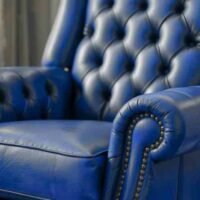
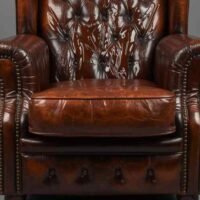
The best way to protect a leather sofa from sun fading is simple. Keep it out of direct sunlight. Filter UV at the window. Condition the leather regularly through summer.
Australian sun makes this harder than most care guides admit. In an Australian summer, the UV Index can range from 10 to 14. In January, ARPANSA and Cancer Council forecast average UV Index values of 11 or more across most of the country on clear days. That level sits in the “extreme” category. Leather restorers report fading in as little as 4 to 6 months when a sofa sits next to a very sunny window.
Most sun-care advice comes from overseas. This guide takes an Australian approach. We cover which rooms carry the most risk, which leather finishes hold up best, and how to tell healthy patina from sun damage.
Key Takeaways
- Australian summer UV regularly reaches “extreme” levels, so leather sofas here fade faster than overseas guides suggest.
- North- and west-facing rooms expose leather sofas to the most sun in Australian homes.
- Aniline and semi-aniline leathers fade faster than pigmented leather, which carries a protective topcoat.
- UV window film, block-out blinds and regular conditioning work best when you use them together.
- Even patina adds character to a Chesterfield, while patchy colour loss on sun-facing panels signals UV damage.
Why Does Australian Sun Fade Leather Sofas So Fast?
Australian sun fades leather sofas fast because UV levels here run among the highest on Earth. Cancer Council and ARPANSA note that Australia has some of the highest UV radiation levels in the world. UV rays break down the dyes in leather. Colour loss follows.
Sun damage hits leather in two ways. UV fading shows up mostly in aniline and semi-aniline leathers. Heat dries out every leather type as moisture and natural oils evaporate from the hide. Dry leather stiffens and eventually cracks.
Timing matters too. UV in Australia peaks in January. That makes spring the right time to act. Fading can appear within months, not years.
Which Leather Types Resist Sun Fading Best?
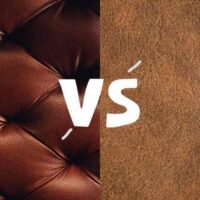
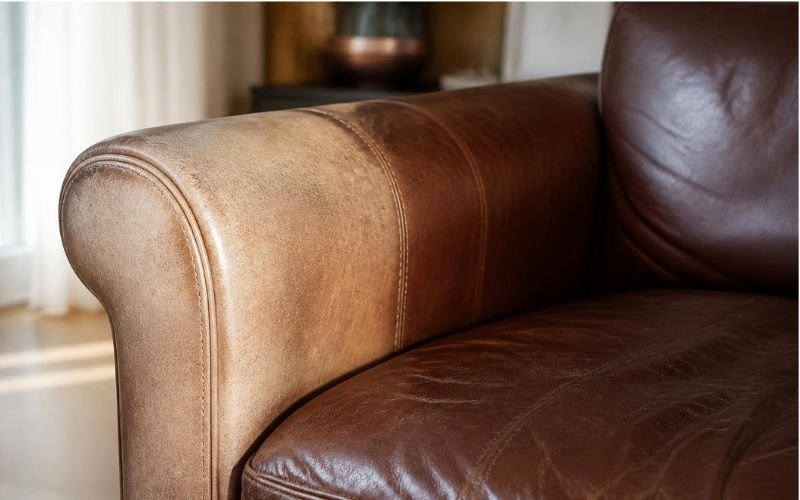
Pigmented leather resists sun fading best. Leathers with a protective topcoat fade far less than aniline and semi-aniline leathers. Aniline leather fades fastest because nothing sits between the dye and the sun.
| Leather finish | What it means | Sun resistance | Best spot |
| Aniline | Dye soaks through the hide with no surface coating | Low | Away from windows |
| Semi-aniline | Dye plus a light protective coat | Medium | Rooms with filtered light |
| Pigmented | A pigment layer and topcoat cover the surface | High | Brighter rooms |
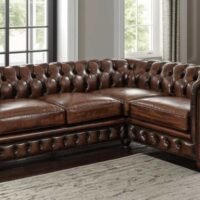
Hide quality matters as much as finish. Bonded and split leather break down noticeably faster under UV than top-grain leather. A genuine Chesterfield leather couch in top-grain hide gives you far more room to recover from sun exposure. Compare our Antique Hand Rubbed, Vintage and Plain Colour ranges before you choose a spot.
Where Should You Place a Leather Sofa in a Sunny Room?
Place a leather sofa where direct sun never rests on it for long. A spot side-on to a window works better than one directly in front of it.
Which rooms get the most sun in Australian homes?
North-facing rooms take sun for most of the day in Australia. West-facing rooms cop the harshest afternoon sun in summer. East-facing rooms get gentler morning light. Many overseas guides warn about south-facing rooms, but that advice suits the northern hemisphere, not Australia.
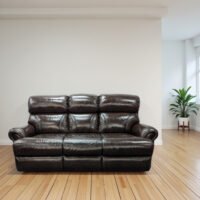
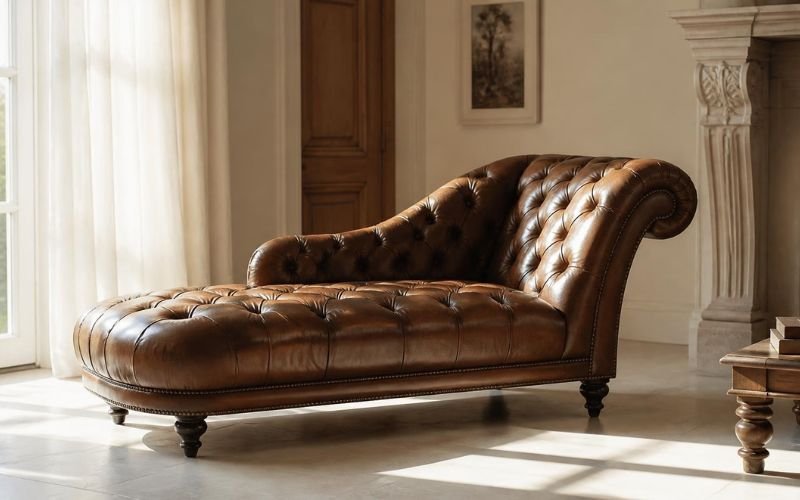
A Chesterfield chaise longue often ends up beside a window as a reading spot. Angle it so the sun falls on the floor, not the seat. Spare rooms carry a hidden risk too. A leather sofa bed in a study or guest room can sit for weeks with the blinds open and no one watching.
Is it safe to put a leather sofa in front of a window?
It is only safe with UV protection on the glass. Even then, close the blinds during the brightest hours. Strong downlights and lamps can also fade leather. Keep them from shining onto the sofa at close range.
Which Window Treatments Stop Furniture Fading?
UV window film and block-out blinds do the most to stop furniture fading. Pair one permanent fix on the glass with one cover you can adjust.
| Option | How it helps | Trade-off |
| UV window film | Filters most UV while letting daylight in | Some glass types need professional fitting |
| Low-E glass | Cuts UV and heat at the window | Costly unless you already plan to replace windows |
| Block-out blinds | Stop direct sun completely when closed | Darken the room |
| Sheer curtains | Soften and spread sunlight | Let some UV through |
| External awnings or shutters | Stop sun before it reaches the glass | Higher upfront cost |
| Throws | Cover the panels the sun hits | Need colourfast fabric to avoid dye transfer |
Low-E (low-emissivity) glass carries a thin coating that reflects heat and UV. Window tint slows fading a great deal. It cannot stop it entirely, because heat and visible light also play a part.
How Should You Care for Leather Through Summer?
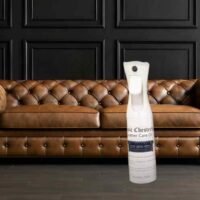
Clean and condition your leather sofa before summer starts. Then repeat the routine through the hot months.
- October: Clean the leather, apply leather care oil, and check where the sun now falls in the room.
- November to February: Condition pieces near heat or in exposed spots every six to eight weeks.
- thesenior
- Every month: Swap loose seat cushions so one side does not take all the sun.
- Every day: Close the blinds during the brightest part of the day.
Leather away from the sun needs cleaning and protection only three to four times a year. Air conditioning dries leather too, so read our guide on how air conditioning affects leather sofas.
Is It Patina or Sun Damage?
Patina looks even and builds where you touch most. Sun damage looks patchy and follows the light.
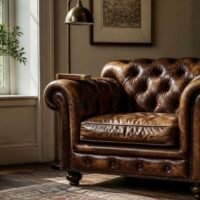
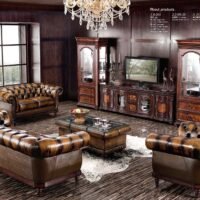
Hand-rubbed and vintage leathers age on purpose. Their colour deepens and softens with use. Many owners choose a Chesterfield for exactly this character.
Sun damage tells a different story. The top of the back and the sun-facing arm turn pale first. A sharp line often marks where a cushion or throw used to sit.
How can you spot fading early?
Lift a seat cushion and compare the hidden leather with the exposed arm. Do this in good daylight once a month through summer. Any visible difference means the sun has started to take its toll.
Can Sun-Faded Leather Be Restored?
Yes, if you catch it early and the sofa uses quality hide. Top-grain leather can take reconditioning and even professional re-dyeing when you catch the fading early.
Recolouring works best for even fading on sound leather. Once you see colour loss, cracking, or damage to the foam or webbing beneath the leather, get a professional restorer to assess the sofa. Bonded leather rarely justifies the cost of restoration.
Our restoration and repair team can assess sun damage and recommend recolouring or reconditioning. For routine upkeep, see our Installation & Cleaning service.
Keep Your Leather Sofa Looking Its Best This Summer
Australian summer puts leather under real pressure. You can still protect your sofa with a few simple habits. Keep it out of direct sun. Filter UV at the window. Condition the leather every six to eight weeks through the hot months.
Quality hide makes the biggest difference over time. A top-grain Chesterfield ages into a rich patina rather than patchy fading. If fading has already started, early restoration can bring the colour back.
Book a Leather Care Check Before Summer Peaks
Spring is the right time to act. Our Restoration & Repairs team can assess your sofa, treat early fading, and recommend the right care for your leather.
Visit our showroom at 156 Melrose Dr, Tullamarine, or call 03 8383 3565. You can also contact us online to book a check before January’s UV peak.