Yes, air conditioning can damage leather sofas. It strips moisture from the air. Leather absorbs less humidity as a result. Over time, this dries out the hide.
Dry leather loses flexibility. It becomes stiff and brittle. Cracks can form, especially at stress points like folds and creases.
Australian homes rely heavily on air conditioning. Summers are long and hot. Many households run AC for months at a stretch.
This constant use puts leather furniture at real risk. Chesterfield sofas are particularly vulnerable. Their deep buttoning and tufting create extra stress points where cracking starts first.
The good news is that this damage is preventable. Simple habits protect leather from dry, conditioned air. This guide from Classic Chesterfield explains exactly how air conditioning affects leather and what to do about it.
Does Air Conditioning Damage Leather Sofas?
Yes, air conditioning damages leather sofas over time. It doesn’t happen overnight. The damage builds up gradually with repeated exposure.
Air conditioners remove moisture from the air. This creates a low-humidity environment indoors. Leather is a natural material, and it depends on ambient moisture to stay supple.
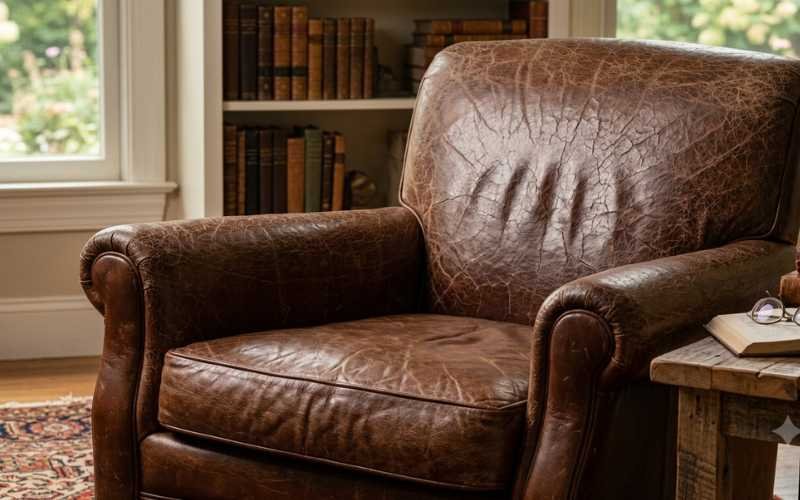
When the air is dry, leather starts to give up its own moisture too. This process is slow but constant. The longer a sofa sits in an air-conditioned room, the more moisture it loses.
The result is leather that feels drier and looks duller than it used to. Left unchecked, this leads to cracking and premature ageing. This is especially true for genuine leather Chesterfield sofas, where the leather is the main structural material, not just a decorative layer.
How Air Conditioning Dries Out Leather
Why Low Humidity Is the Real Culprit
Air conditioning doesn’t attack leather directly. The real problem is humidity loss. Most air conditioners are designed to reduce moisture in the air as part of the cooling process.
Indoor humidity can drop well below comfortable levels during heavy AC use. Leather is porous. It naturally absorbs and releases moisture depending on its surroundings.
In a low-humidity room, leather releases more moisture than it absorbs. This imbalance is what starts the drying process. It’s not the cold air itself causing harm. It’s the dryness that comes with it.
How Leather Loses Natural Oils Over Time
Leather contains natural oils. These oils keep the fibres flexible and the surface supple. Dry air accelerates the evaporation of these oils.
As oils deplete, the leather’s fibre structure tightens. This makes the material feel harder to the touch. Over months and years, this oil loss compounds.
Regular conditioning helps replace what’s lost. Without it, leather becomes increasingly vulnerable to cracking. This is a slow process, but it’s continuous in air-conditioned homes.
Signs Your Leather Sofa Is Being Affected by Air Conditioning
Leather damage from air conditioning shows up gradually. Knowing the early signs helps you act before the damage becomes permanent.
Watch for these warning signs:
- Stiffness — the leather feels harder or less flexible than before
- Surface cracking — fine lines appear, often at folds or seams first
- Dullness — the leather loses its natural sheen and looks flat
- Colour fading — pigmented areas look lighter or patchy
- Tightness around buttons or tufts — the leather pulls or puckers at stress points
Stiffness is usually the first sign. It’s subtle, so many people miss it. By the time cracking appears, the leather has already lost a significant amount of moisture.
Checking your sofa every few months helps catch these signs early. Run your hand across the leather. Compare how it feels in high-use areas versus less-used spots. A noticeable difference is a signal to start a conditioning routine.
Air Conditioning vs. Heating: Which Is Worse for Leather?
Both air conditioning and heating dry out leather. They do it in slightly different ways. Understanding the difference helps you manage your leather sofa year-round.
Air conditioning removes humidity while cooling the air. This creates a consistently dry environment, especially during long summer stretches. The drying effect is steady and prolonged.
Heating dries leather faster in the short term. Heated air holds less moisture to begin with, and warm air draws moisture out of leather more aggressively. This is why leather often feels drier faster in winter than in summer.
However, Australian summers usually mean longer AC use than heating use. This makes air conditioning the bigger long-term risk for most Australian homes. The cumulative exposure matters more than the intensity of any single season.
The safest approach treats both seasons the same way. Consistent conditioning and humidity control protect leather regardless of which system is running.
Why Chesterfield Sofas Are Especially Sensitive
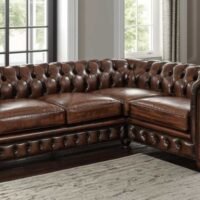
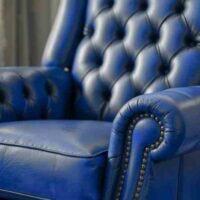
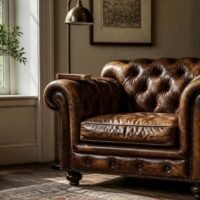
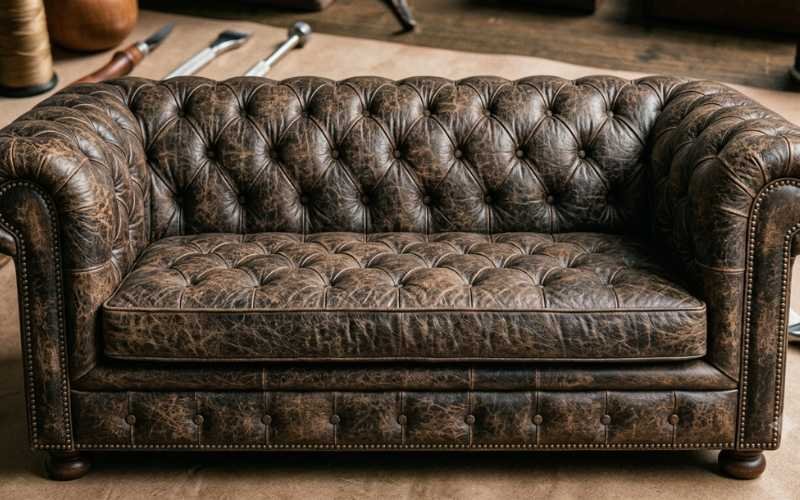
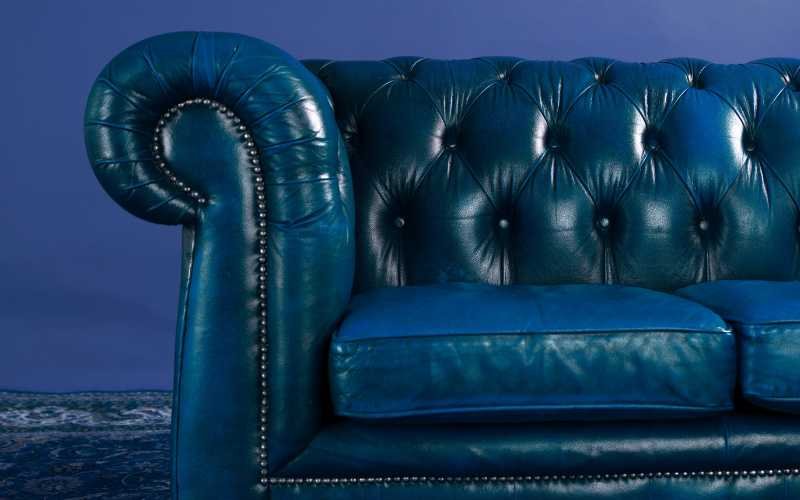
Chesterfield sofas face unique risks in air-conditioned rooms. Their design creates more vulnerable points than a standard leather sofa. Whether you call it a Chesterfield leather couch or a leather Chesterfield sofa, the deep button tufting creates the same structural risk in dry, air-conditioned rooms.
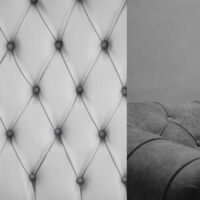
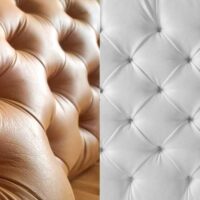
Deep button tufting is the main reason. Each button pulls the leather into a fold. These folds concentrate stress on a small area of hide.
Dry, inflexible leather can’t handle this stress well. Cracks tend to appear at these folds first, before anywhere else on the sofa. The rolled arms and back are also at higher risk.
These areas curve tightly and experience constant flexing during use. Dry leather loses the elasticity needed to bend without damage. This makes rolled edges an early warning zone to check regularly.
Because of this design, Chesterfield sofas need more frequent conditioning than flat-panelled leather furniture. The tufted areas should get particular attention. Catching dryness here early prevents the most visible and costly damage.
Ideal Humidity Levels for Leather Furniture
Leather stays healthiest within a specific humidity range. Most experts recommend keeping indoor humidity between 40% and 55%. This range keeps leather supple without introducing mould risk.
Below 40% humidity, leather starts losing moisture faster than normal. This is common in air-conditioned rooms during summer. Above 55% humidity, leather can absorb too much moisture, which risks mould and mildew.
A simple hygrometer helps you track indoor humidity accurately. These small devices are inexpensive and easy to place near your sofa. Checking it weekly during heavy AC use helps you spot problems early.
If humidity regularly drops below 40%, it’s worth taking action. A humidifier is the most direct fix. Positioning your sofa away from direct airflow also helps maintain a more stable microclimate around the leather.
How to Protect Your Leather Sofa in an Air-Conditioned Home
Positioning Away From Vents
Direct airflow speeds up moisture loss. Placing your sofa in the path of an AC vent exposes it to concentrated dry air. This accelerates drying far more than general room humidity alone.
Aim to position your Chesterfield at least a metre away from any vent. If repositioning isn’t possible, consider redirecting the vent’s airflow. Even small adjustments reduce direct exposure significantly.
Using a Humidifier
A humidifier is the most effective tool for maintaining healthy humidity. It directly counters the drying effect of air conditioning. Running one in the same room as your sofa helps stabilise moisture levels.
Set it to maintain the 40–55% range discussed earlier. Many modern humidifiers include a built-in hygrometer for this purpose. This removes the guesswork from monitoring humidity.
Conditioning Routine and Frequency
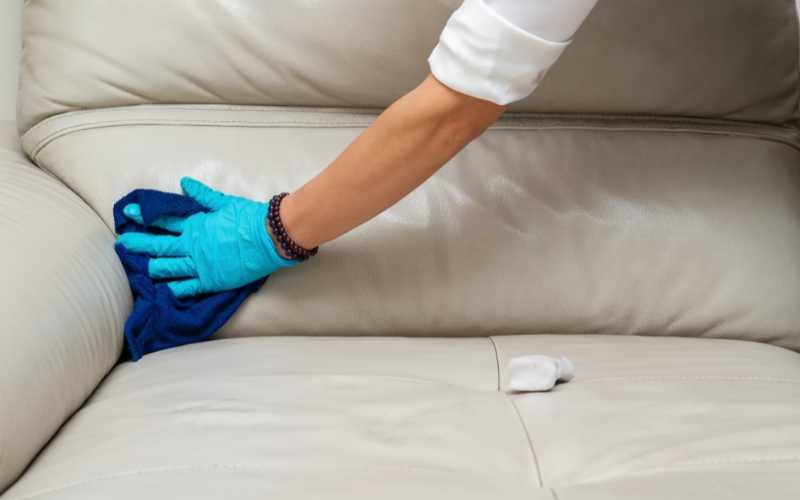
Leather conditioner replaces oils that dry air removes. In air-conditioned homes, apply conditioner every 4 to 6 weeks. This is more frequent than the standard 2 to 3-month recommendation for typical conditions.
Always test conditioner on a small, hidden area first. This confirms compatibility with your leather’s finish. Focus application on tufted areas and rolled arms, since these are the highest-risk zones.
Wipe away excess product after application. Leather should feel supple, not tacky or oily. Consistency matters more than quantity with conditioning.
Australian Homes and the Air Conditioning Challenge
Australian summers push air conditioning to its limits. Many homes run AC continuously for weeks during peak heat. This creates prolonged periods of low indoor humidity.
Open-plan living compounds the problem. Modern Australian homes often have large, connected living spaces. A single AC unit works harder to cool more air, which means more moisture removal overall.
Coastal regions face a different challenge. Humidity swings between muggy outdoor air and dry, conditioned indoor air. This constant fluctuation stresses leather more than a stable climate would.
Inland and southern regions see the opposite pattern. Hot, dry summers already have low ambient humidity. Air conditioning adds to an already dry environment, compounding the risk.
Regardless of region, the pattern is the same. Australian homes need proactive leather care, not reactive fixes. Building humidity control and conditioning into a regular routine matters more here than in milder climates.
Choosing the Right Leather for Air-Conditioned Spaces
Not all leather responds to dry air the same way. The type of leather on your sofa affects how much protection it needs.
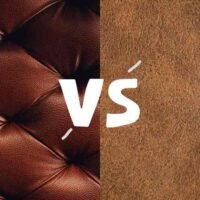
Aniline leather is dyed all the way through with no protective surface coating. It shows natural grain and texture beautifully. This also means it absorbs and loses moisture more readily, making it more sensitive to air conditioning.
Protected or top-grain leather has a surface coating or finish. This coating acts as a barrier against moisture loss. It’s more forgiving in dry, air-conditioned environments.
For homes with heavy AC use, protected leather often needs less frequent conditioning. Aniline leather delivers a richer, more natural look, but it demands a more disciplined care routine.
Neither option is wrong. The right choice depends on how much time you want to invest in maintenance versus the aesthetic you prefer. Knowing this trade-off upfront helps set the right care expectations from day one.
This applies whether you own a Chesterfield sofa, an armchair, or a leather sofa bed — the underlying leather behaves the same way in dry air.
Keeping Your Leather Sofa Protected Year-Round
Air conditioning is a fact of life in Australian homes, and it will always affect leather over time. The damage isn’t inevitable, though. Simple practices like humidity control, careful placement, and frequent conditioning may keep leather supple for years.
Chesterfield sofas need extra attention because of their tufted design. Catching dryness early, especially around buttons and rolled arms, prevents the most visible damage.
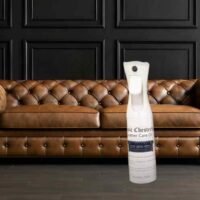
At Classic Chesterfield, we build our sofas from genuine leather designed to stand up to real Australian conditions. We also stock leather care kits made specifically for tufted and buttoned upholstery, so your sofa gets the right kind of protection, not generic advice.
Don’t wait for cracks to appear. Check your leather sofa’s condition today, and explore our leather care range to keep it looking its best through every Australian season.
Also Read: Button-tufted vs blind-tufted Chesterfield